Finding a good motorcycle mechanic is like finding treasure: it takes effort, but once you have one you never let go. If you ride a classic or a cafe racer, it matters even more, because not every workshop can (or wants to) deal with 1970s carburettors or a hand-made wiring loom. Here is what to look for before you give anyone your keys.
1. Go to a specialist, not your mate who "knows bikes"
Everyone has a friend who claims to know about engines. With the best intentions, they can turn a small fault into a big one. Choose a workshop that works on motorcycles full time and, ideally, knows your make or era. A BMW boxer, a Moto Guzzi and a Japanese four each have their quirks, and a mechanic who has seen a hundred of them will diagnose faster and better.
2. Training and experience, ideally both
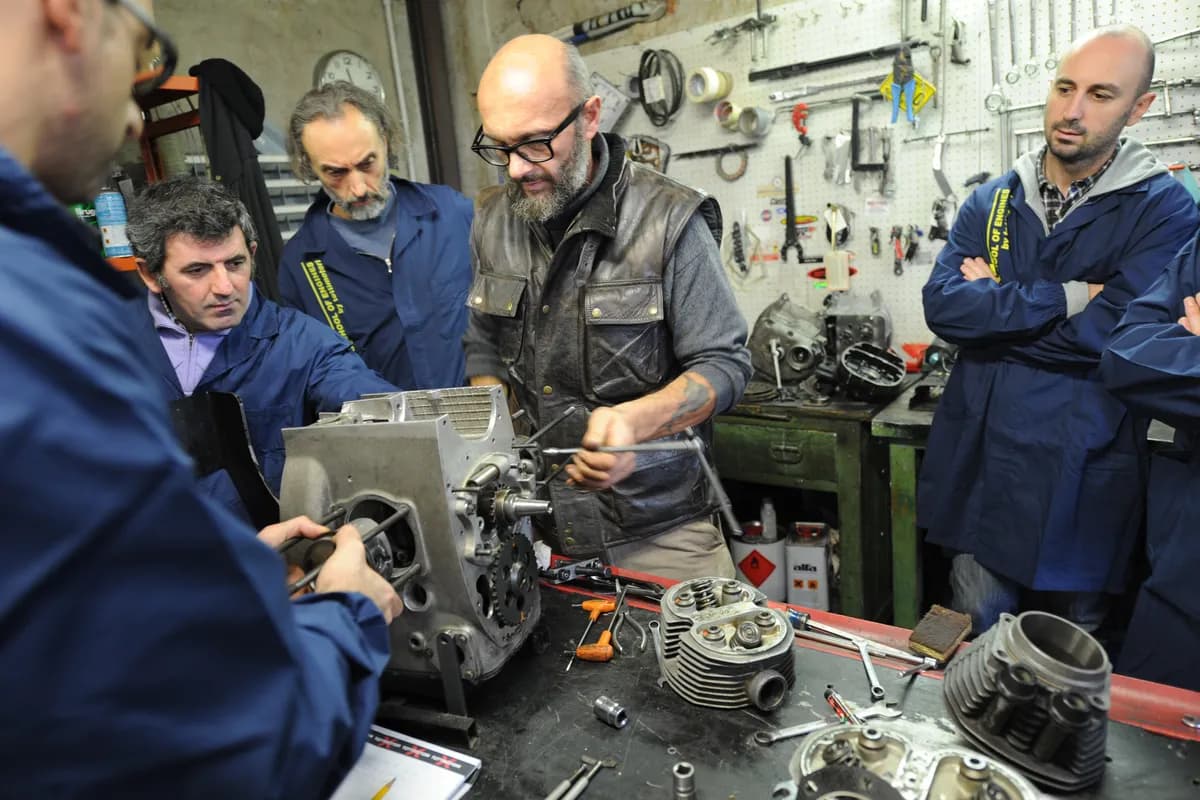
Experience comes with years, but training is a useful filter. Ask where they learned the trade, whether they still take courses and which bikes they work on every day. A mechanic without certificates is not automatically bad; some self-taught mechanics are true masters. But skill plus training raises your odds a lot.
3. Always ask for a written quote
In many countries you are entitled to a written estimate before any repair, and a good professional never objects. It should list parts, labour and timing. If the quote is just a number scribbled on a scrap of paper, be careful. When the job is done, ask for a proper invoice and for the old parts back: that way you can see what was really replaced.
4. The warranty tells you a lot
Consumer law usually gives repairs a minimum warranty; check what applies where you live. A mechanic who trusts their work is happy to stand behind it, and often goes further. If they dodge the subject, you have your answer.
5. Reputation: years, customers and word of mouth
Look at how long the workshop has been open, whether it has regular customers and what people say about it. Online reviews help, but in the classic bike world word of mouth works best: ask at clubs, on owners' forums for your model and at Sunday meet-ups. If several owners of bikes like yours keep naming the same person, there is a reason.
6. Cheap ends up expensive (and expensive is not always good)
A good mechanic charges what the work is worth, and does not need to undercut anyone because the diary is full. The cheapest shop sometimes saves in the wrong places: poor parts, torque settings by feel, or shortcuts that turn a simple nut into a whole new component. That said, a high price guarantees nothing either. Compare detailed quotes, not just the bottom line.
7. Visit the workshop first
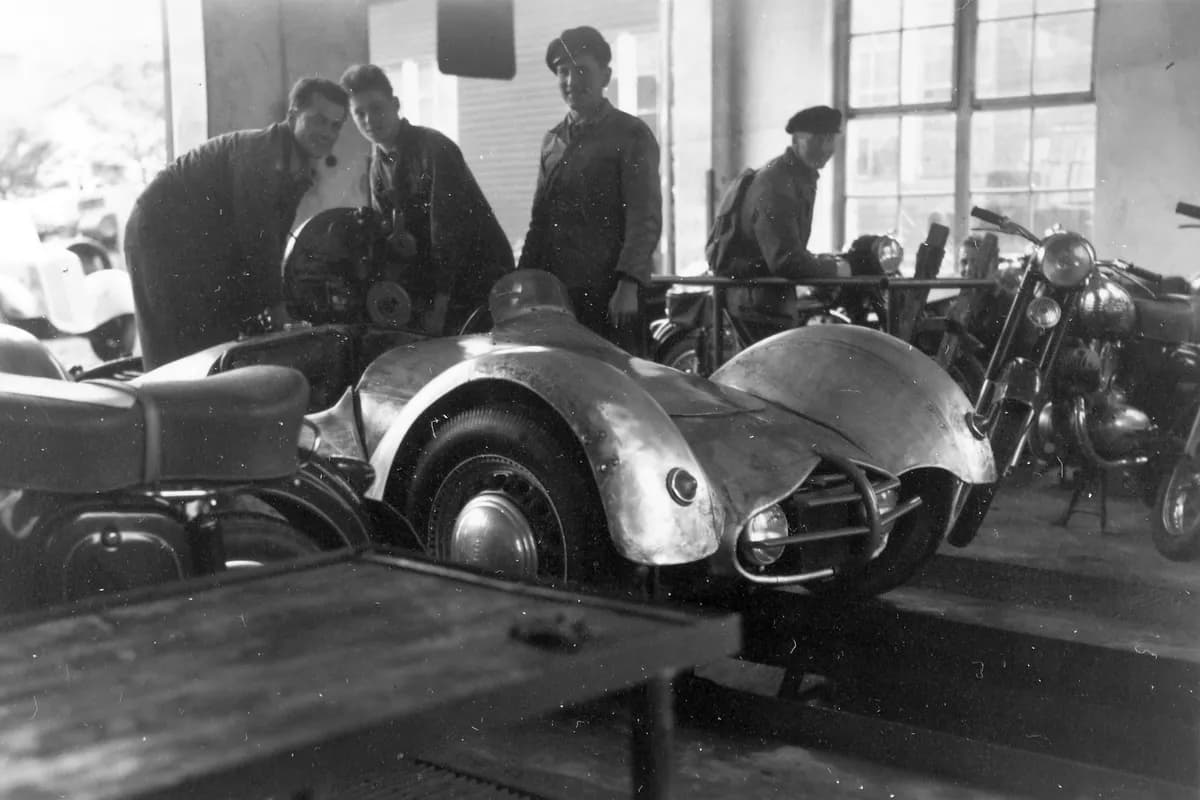
Have a look around. Is it reasonably tidy? Are there proper tools, a bike lift, a torque wrench? Are there bikes like yours waiting their turn? A workshop full of well-cared-for classics is the best business card. One full of bikes that have sat in pieces for months with no explanation, not so much.
8. Be wary of anyone who promises everything
Do not pick a mechanic because they are charming. Many of the best get on better with bikes than with people, and that is fine. What they must do is explain clearly what is wrong, what your options are and what each one costs. Walk away from anyone promising impossible deadlines, miracle prices and magazine-cover results before they have even looked at the bike.
If your bike is a cafe racer or has been modified
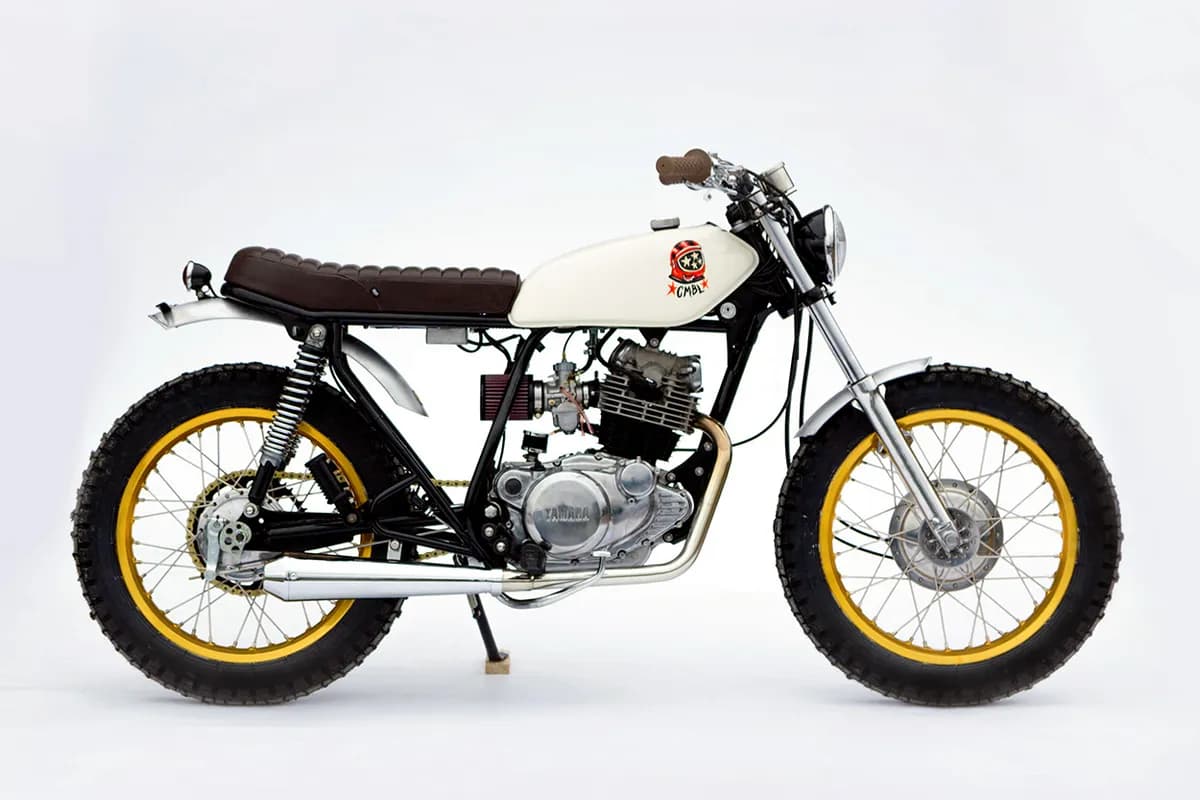
With a modified bike, the ideal mechanic does more than fix things: they also know which changes can be made road legal and which will cause trouble at inspection. A cut subframe, a different exhaust or a new headlight may need paperwork, depending on your country's rules. Read our section on legalising modifications for the basics, and if you are still choosing a donor bike, our model guides tell you which weak spots to check.
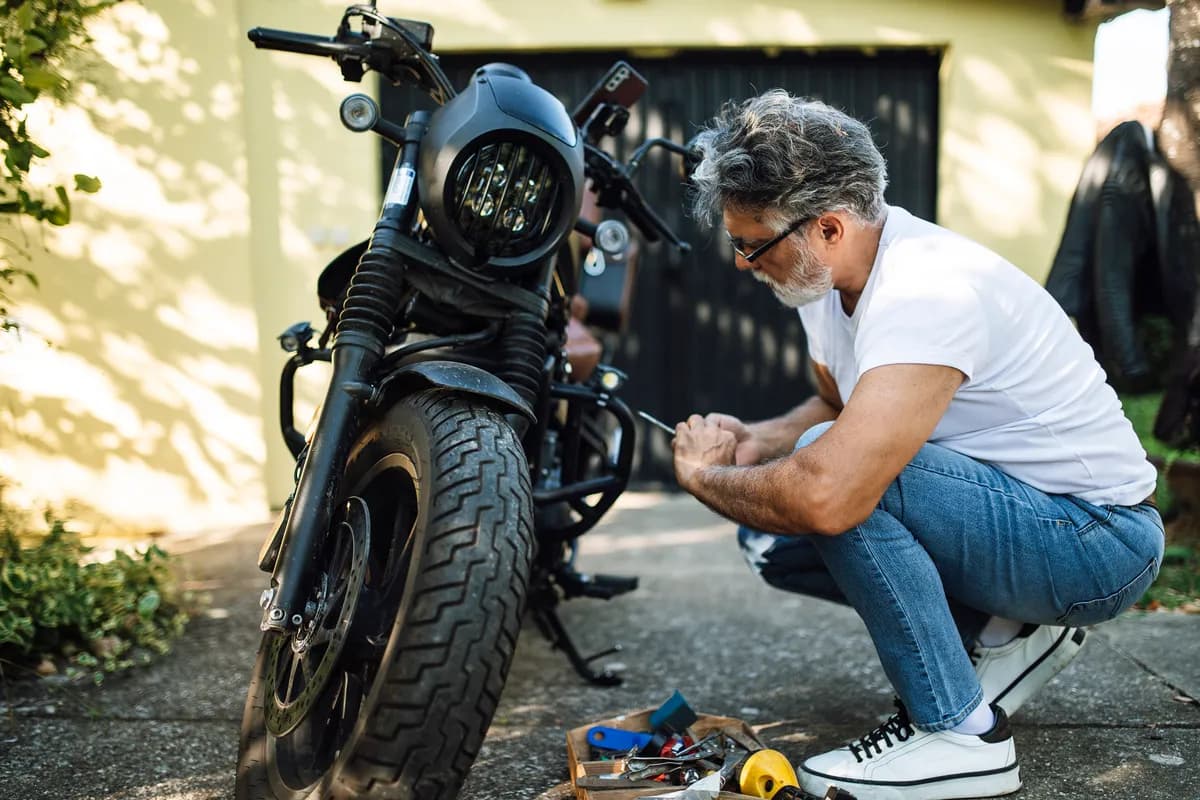
One last tip: learn the basics of your own bike. Not to do everything yourself, but to understand what you are told and spot when something does not add up. Have you found your trusted mechanic yet?
Photos: cover, Roberto Totti (CC BY-SA 4.0); workshop, Fortepan / Wein Sarolta (CC BY-SA 3.0); home maintenance, Shixart1985 (CC BY 2.0). Wikimedia Commons.