
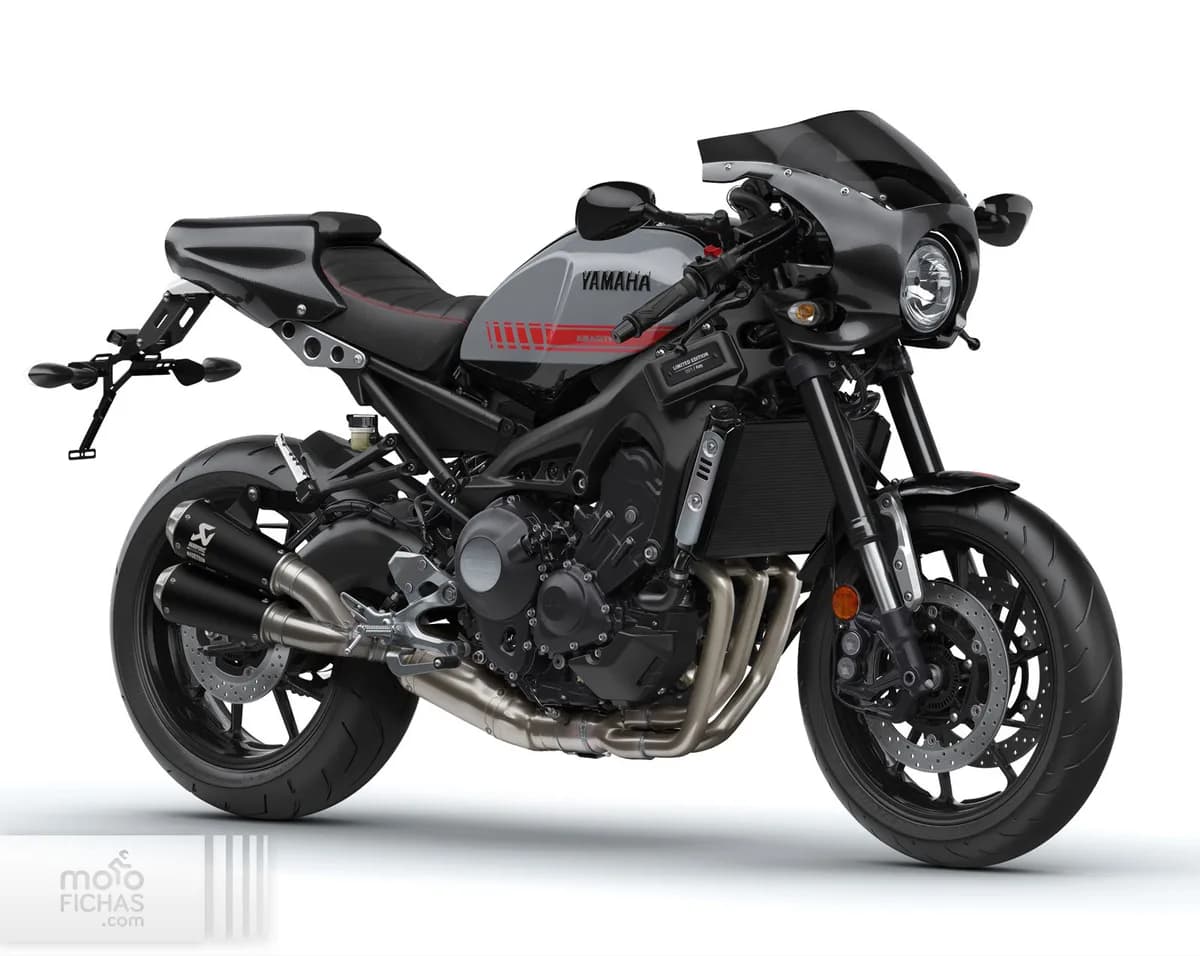
At the 2016 EICMA show in Milan, Yamaha unveiled a bike many riders had been asking for: a cafe racer straight from the factory, no workshop needed. The XSR900 Abarth came out of a partnership with Abarth, the brand behind the little racing Fiats, and it was the first production cafe racer in Sport Heritage, Yamaha's family of classic-looking bikes.
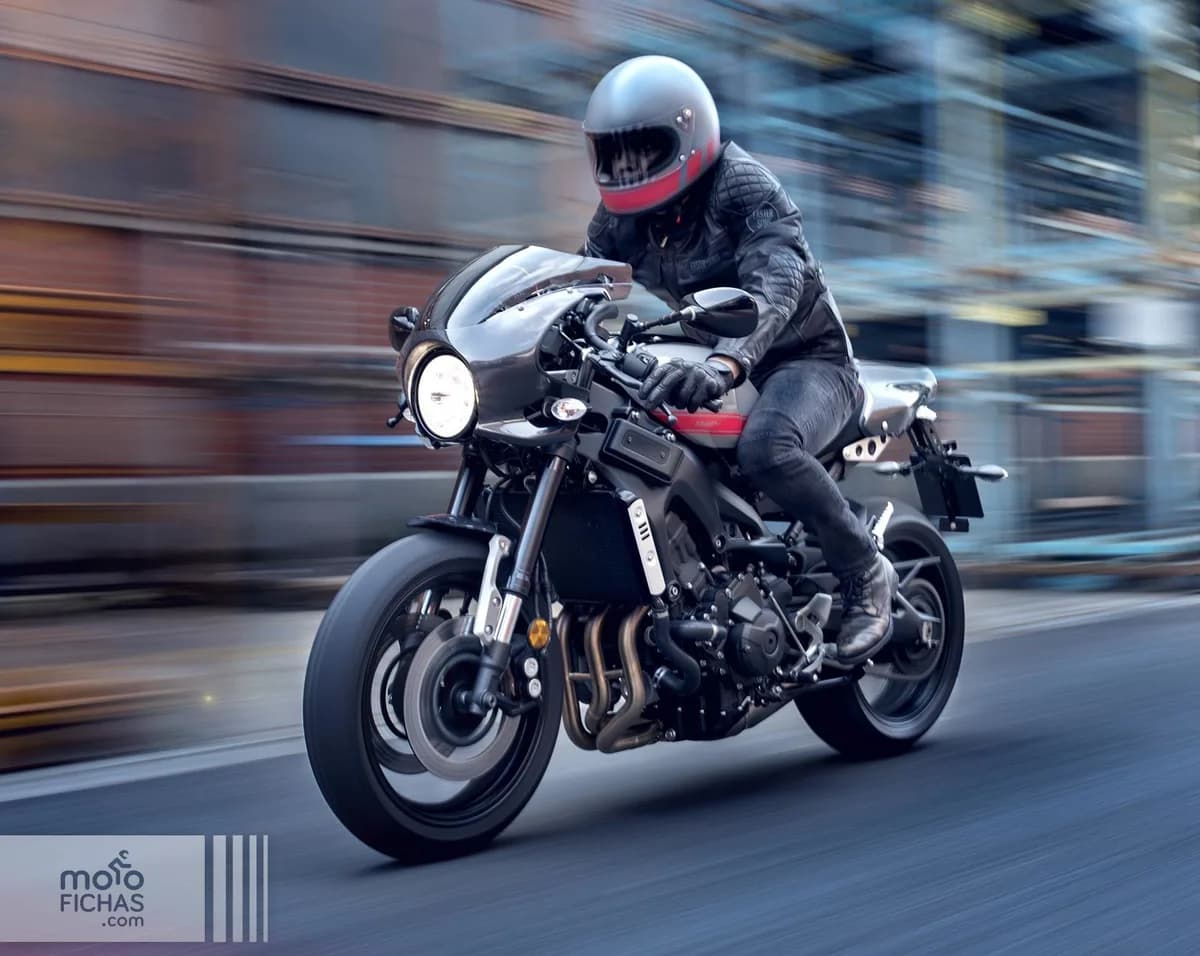
A limited, numbered edition
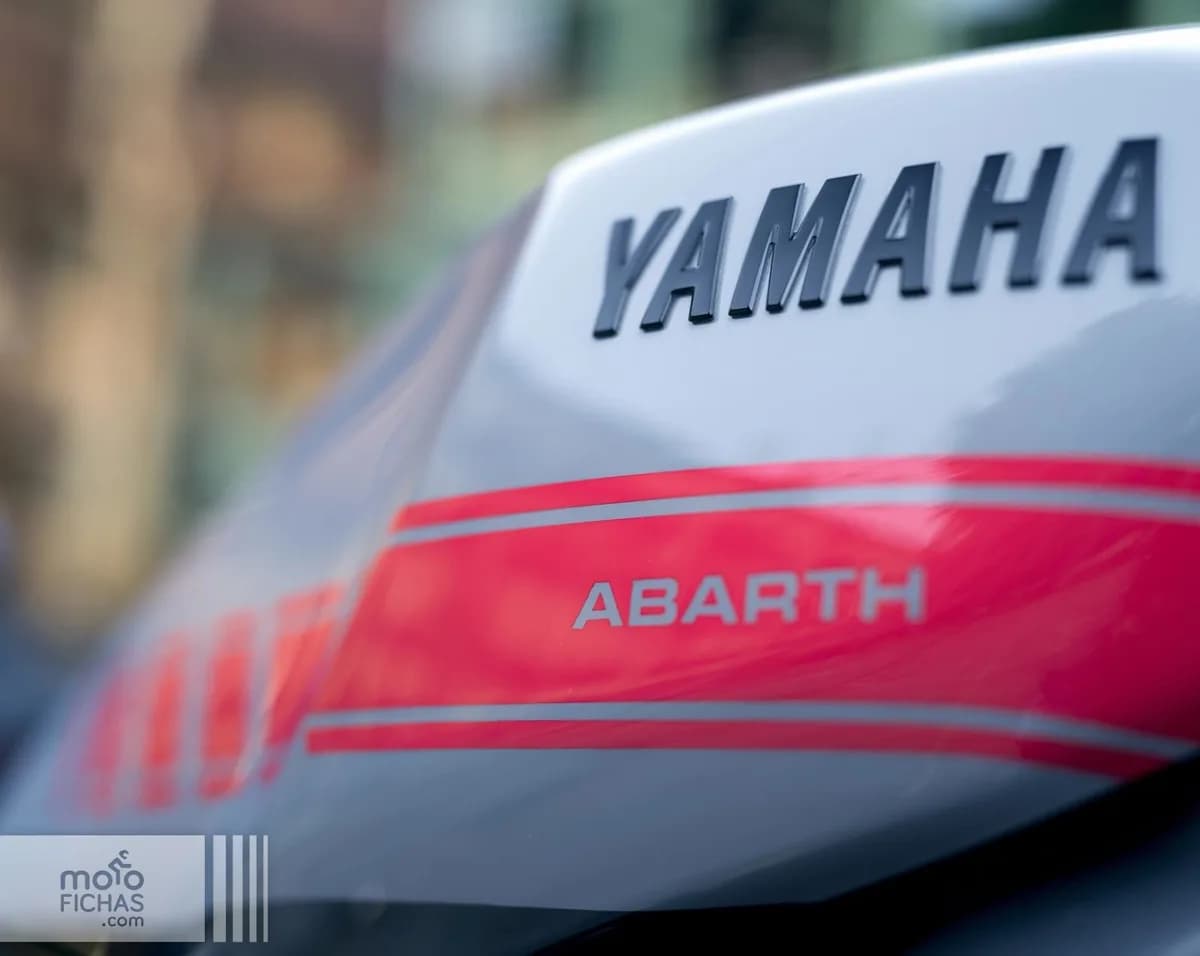
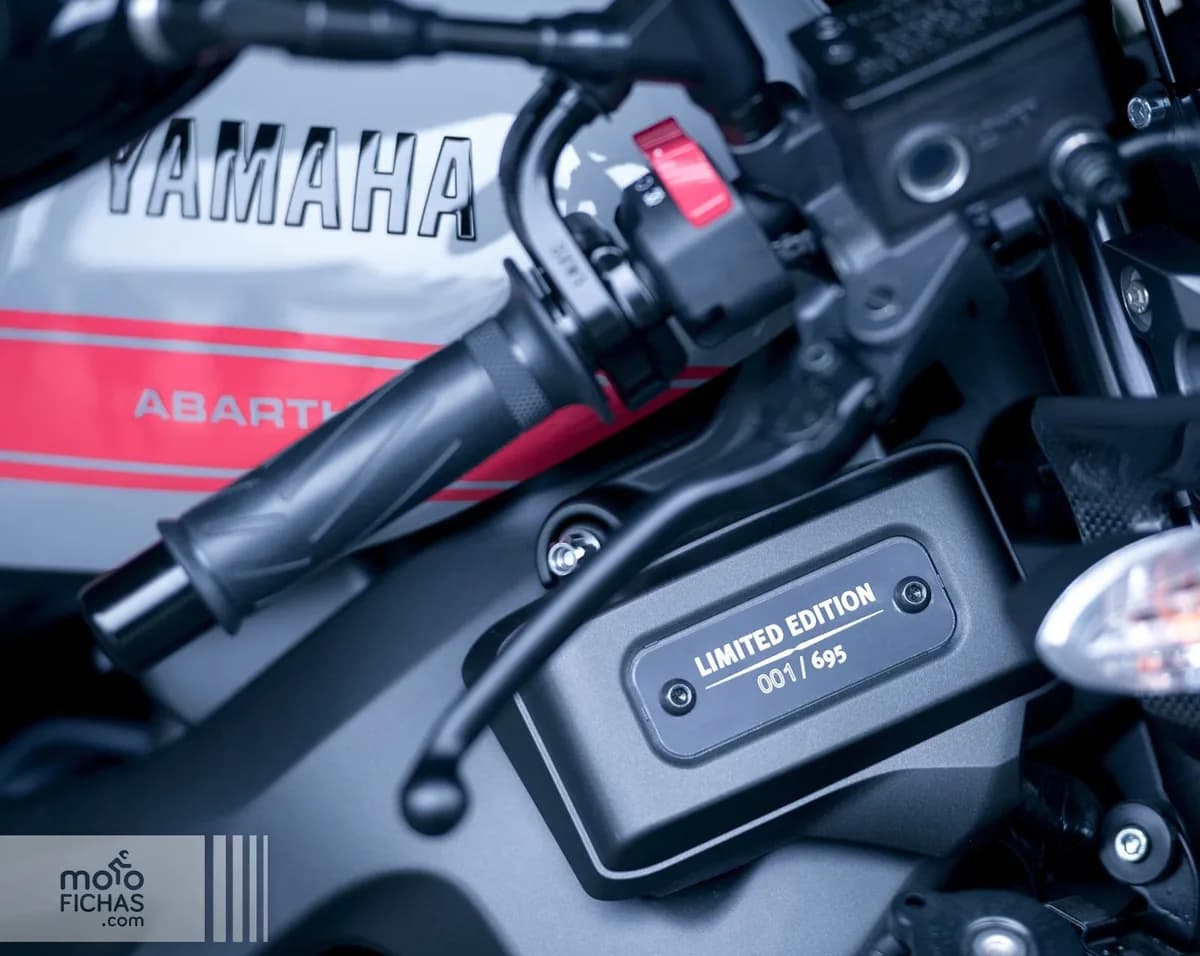
Yamaha built only 695 units, a nod to the Fiat 695 Abarth. Every bike carries a numbered aluminum plate and they all share the same livery: grey with a red stripe and the Abarth scorpion on the tank, front fender and tail. The first 95 units were reserved online from 17 January 2017. In Spain it cost 13,199 euros, according to the last price list published in 2017. It is out of production today and only available second-hand.
What sets it apart from a regular XSR900
The base is the 2016 XSR900, the retro naked that shares its engine and frame with the MT-09. Abarth and Yamaha mainly changed the looks and the riding position:
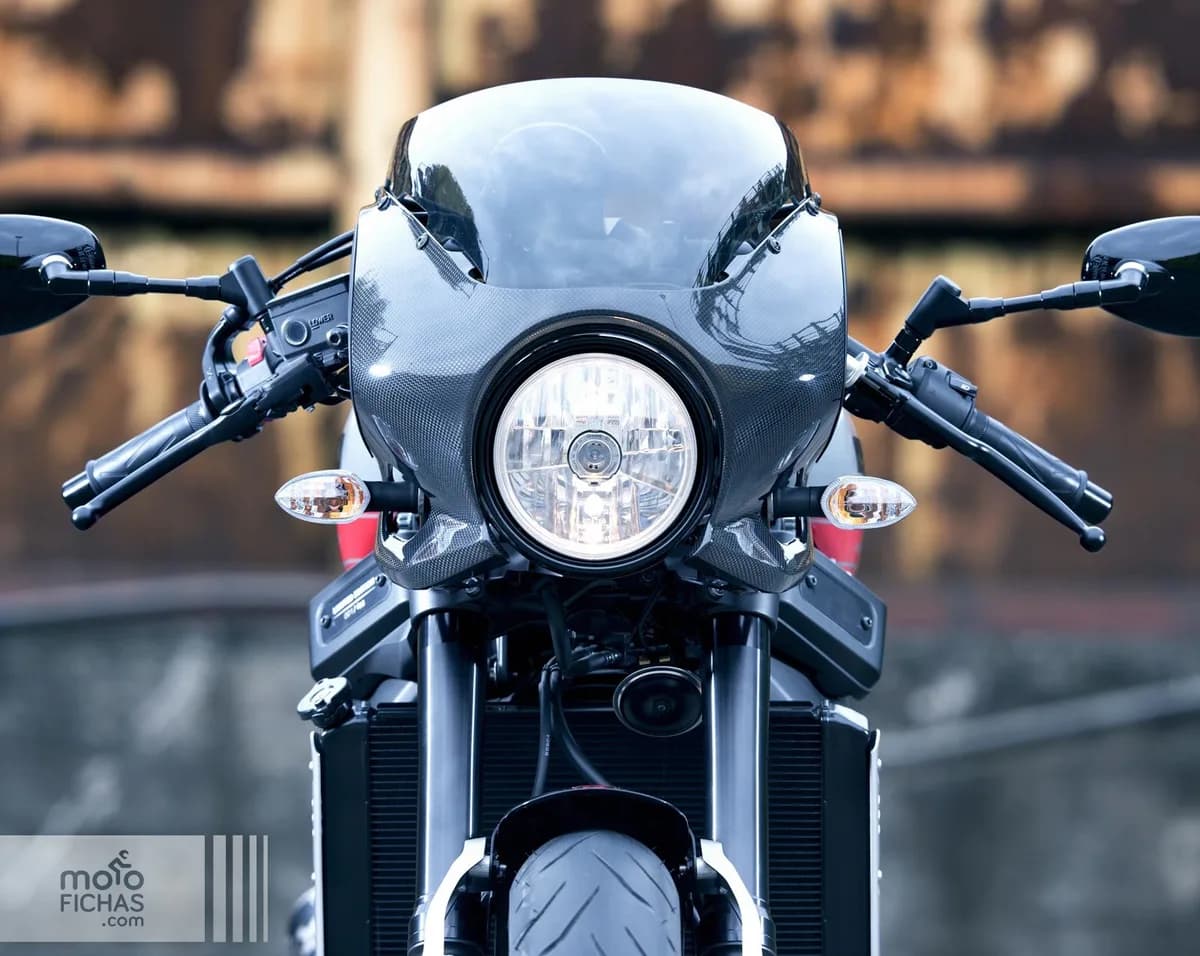
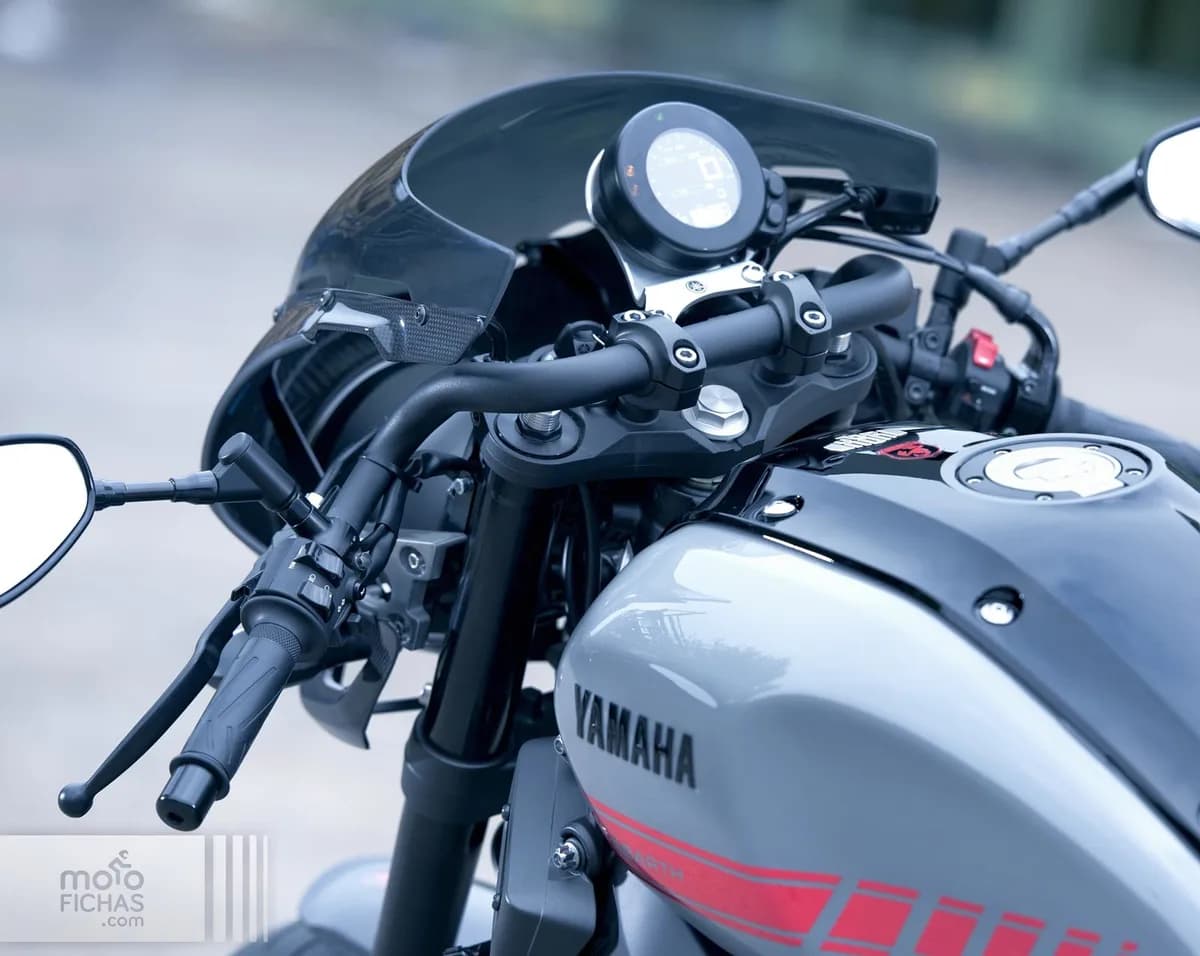
- Carbon fiber half fairing: small and rounded, with the round headlight in the middle. It is the part that most recalls the 1960s cafe racers.
- Clip-on bars: they sit below the top clamp and push the rider forward. The posture goes from naked to sporty.
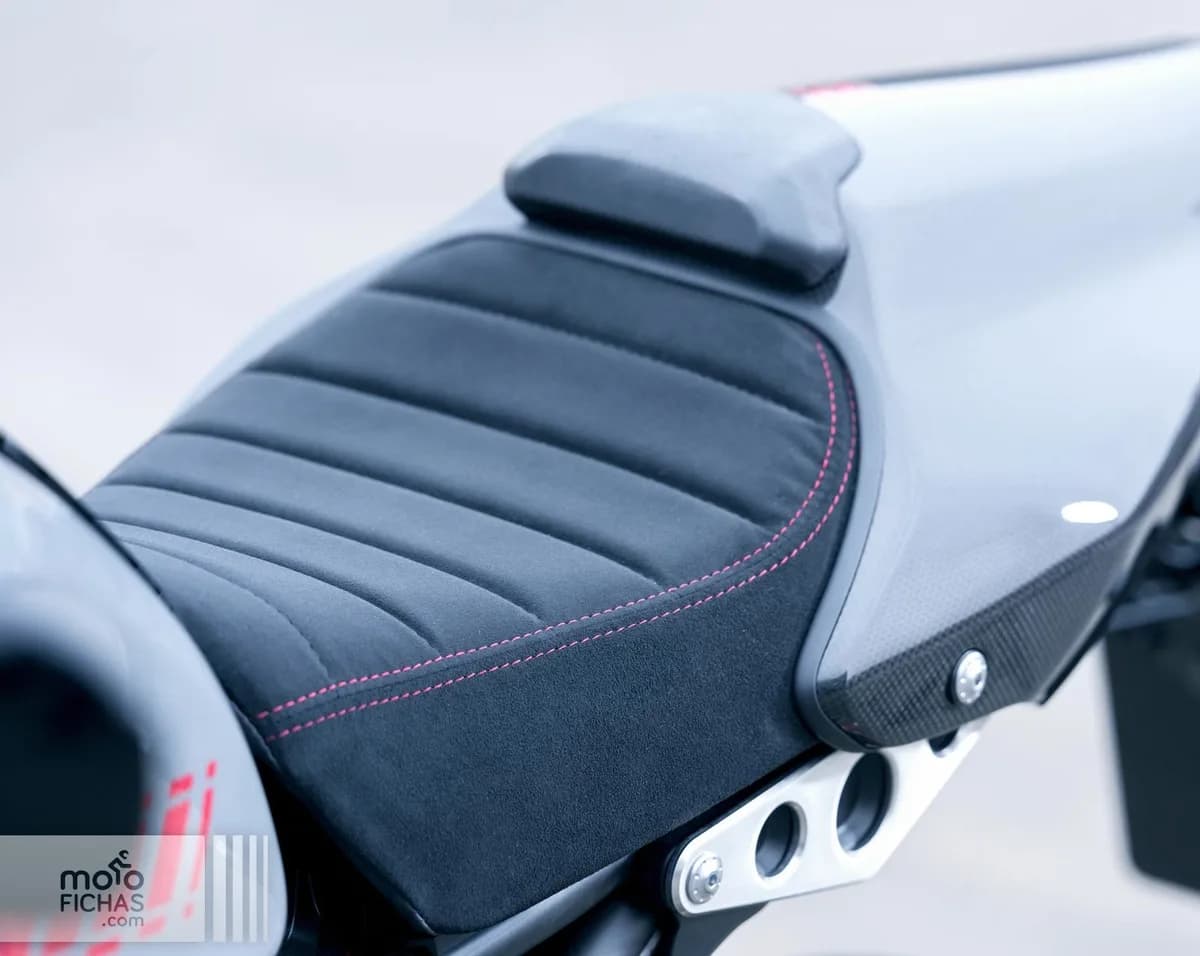
- Solo seat: upholstered in suede with red stitching and closed off by a carbon tail.
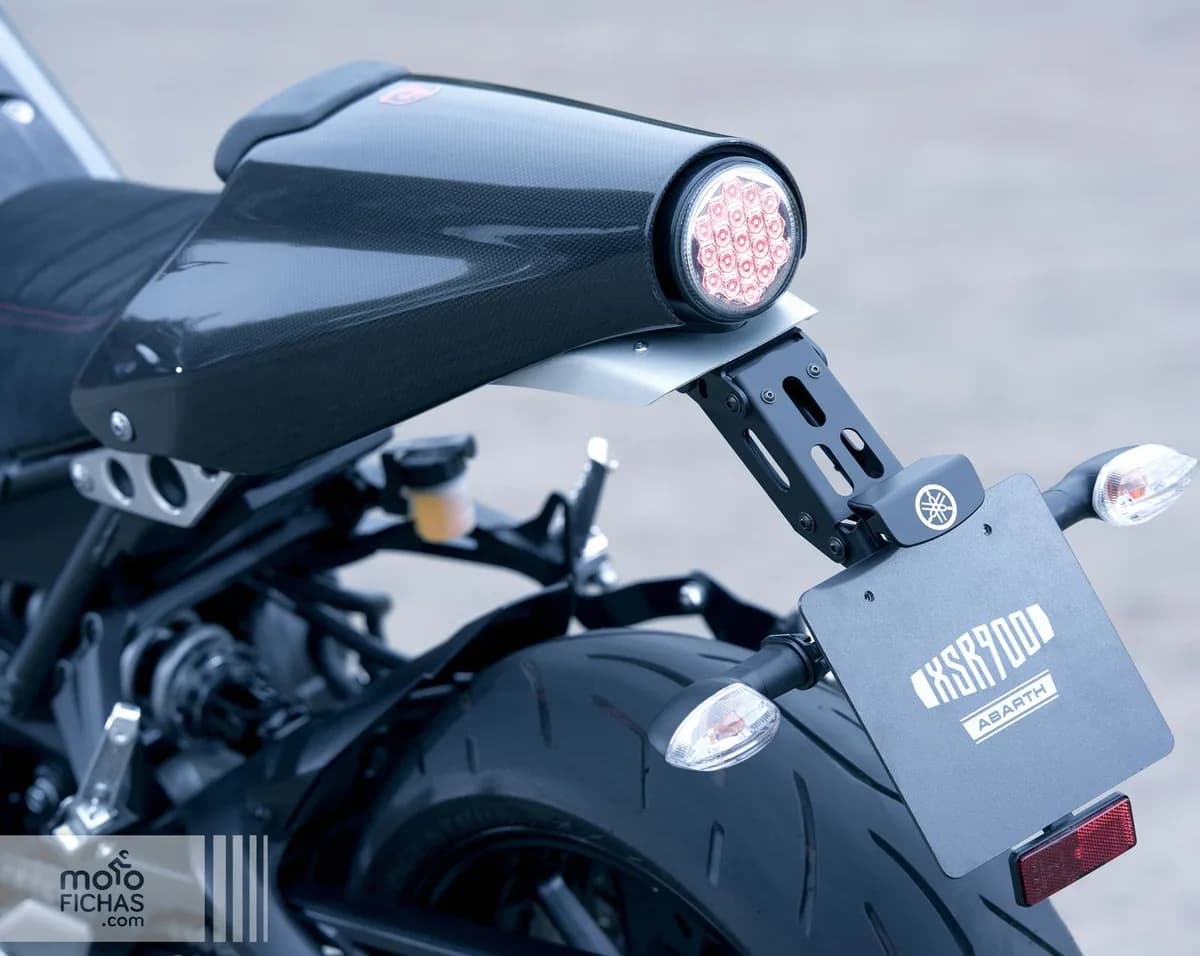
- More carbon: the front fender and the tail are carbon fiber too. A small round taillight is built into the tail.
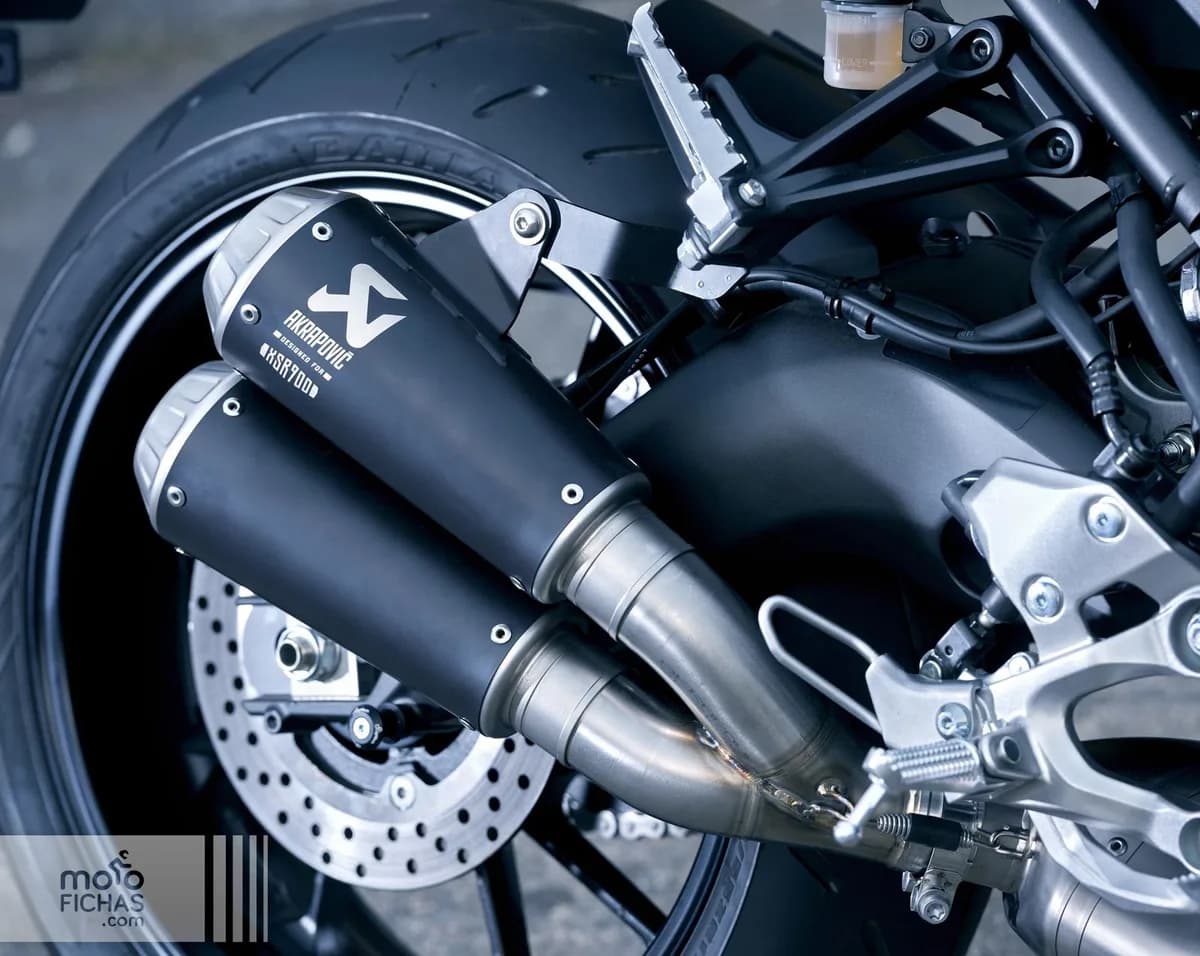
- Titanium Akrapovič exhaust: twin black silencers, lighter and with a fuller sound than the stock one.
- Details: aluminum tank covers, a sporty license plate holder and the numbered plate on the top clamp.
The engine, same as the XSR900
Nothing changes inside. It uses the liquid-cooled 847 cc CP3 triple that debuted in the MT-09: 115 hp at 10,000 rpm and 87.5 Nm at 8,500 rpm. It is an engine with lots of low-down torque and a very distinctive sound. To help the rider it has traction control and an assist and slipper clutch, which stops the rear wheel from locking on hard downshifts.
Specifications
| Base bike | Yamaha XSR900 (2016), special edition with Abarth |
|---|---|
| Years | 2017 to 2019 |
| Units | 695, numbered |
| Engine | CP3 inline triple, 4-stroke, DOHC, 4 valves per cylinder, liquid-cooled |
| Displacement | 847 cc (78 × 59.1 mm) |
| Compression | 11.5:1 |
| Power | 115 hp (84.6 kW) at 10,000 rpm |
| Torque | 87.5 Nm at 8,500 rpm |
| Fuel system | Electronic fuel injection |
| Gearbox | 6 speeds, wet multi-plate slipper clutch |
| Final drive | Chain |
| Electronics | Traction control |
| Frame | Diamond type, double-sided aluminum swingarm |
| Front suspension | 41 mm inverted fork, 137 mm travel |
| Rear suspension | Monoshock adjustable for preload and rebound, 130 mm travel |
| Front brake | Twin 298 mm discs with radial 4-piston calipers |
| Rear brake | 245 mm disc with 2-piston caliper |
| Tires | 120/70 ZR17 front and 180/55 ZR17 rear (Bridgestone Battlax Hypersport S20) |
| Length × width × height | 2,075 × 815 × 1,135 mm |
| Wheelbase | 1,440 mm |
| Seat height | 830 mm according to Yamaha |
| Weight | 195 kg wet (188 kg dry) |
| Fuel tank | 14 liters |
| Consumption | 5.2 l/100 km (120 g/km CO2) |
| Emissions standard | Euro 4 |
| License | A |
| Price | 13,199 € in Spain (2017 price list) |
What we like and what gives us pause
We like that it is a real cafe racer with no lost warranty and no inspection hassle: it leaves the factory fully type-approved. The half fairing and clip-ons completely change its character, and the triple suits a bike like this very well, fast and great-sounding.
The doubts are the usual ones with a limited edition. It cost quite a bit more than a regular XSR900, and what you pay for is mostly looks: the engine and chassis are the same. The clip-ons also put weight on your wrists, so it is not the most comfortable everyday bike. If you are looking for one, check that it still has its carbon parts and the numbered plate, because that is where its value lies.
Want to build something similar from your XSR900?
Plenty of riders convert a stock XSR900 or MT-09 to get closer to this style. If you do it in Spain, these are the modifications to check first, always case by case and depending on your registration document:
- Handlebar: swapping to clip-ons changes the riding position and the steering lock.
- Headlight: a new half fairing usually means changing or moving the headlight.
- Exhaust: a new silencer must be type-approved and meet the noise limits.
- Subframe: a solo tail can affect the passenger seat.
- Turn signals and taillights: type-approved and fitted where the rules say.
This is general guidance and does not replace the judgment of the ITV (the Spanish roadworthiness test) station. Find out how legalizing modifications works or tell us about your bike (both in Spanish). In the shop you will find handlebars and clip-ons to get started. You may also like our article on the Yamaha XSR900 and the Spanish XSR700 that won the Yard Built Dealer Competition.
Source and credits
Technical data from Yamaha Motor Europe and the Motofichas spec sheet. Photos: Yamaha Motor Europe, via Motofichas. This article is our own summary and commentary.